The Lisbon issue
Lisbon in June: Sardines, Saints and a City on Fire
Every June, Alfama turns its doorways into grills, the Avenida into a parade route and the cathedral steps into a mass wedding — here's how to actually eat, watch and survive Santo António's festival season in 2026.

By Nádia FontesTwo visits before I say a word about the food
By the second week of June the whole of Alfama smells like a barbecue that never goes out — garlic, charcoal, sea salt, and the particular sweetness of grilled sardine fat dripping onto hot coals. Every doorway becomes a grill, every alley a dining room, and for about a month the neighbourhood stops being a place people live and becomes a place people feast. This is Santo António's month, and in Lisbon that means street parties, a night-long parade down the city's grandest avenue, and more sardines than anyone should reasonably eat in a single June.
The Arraiais: Grills at Every Doorway
The arraial is the whole point. It's a street party built around a charcoal grill, a folding table, a string of coloured lights, and neighbours who've been doing this since before you were born.
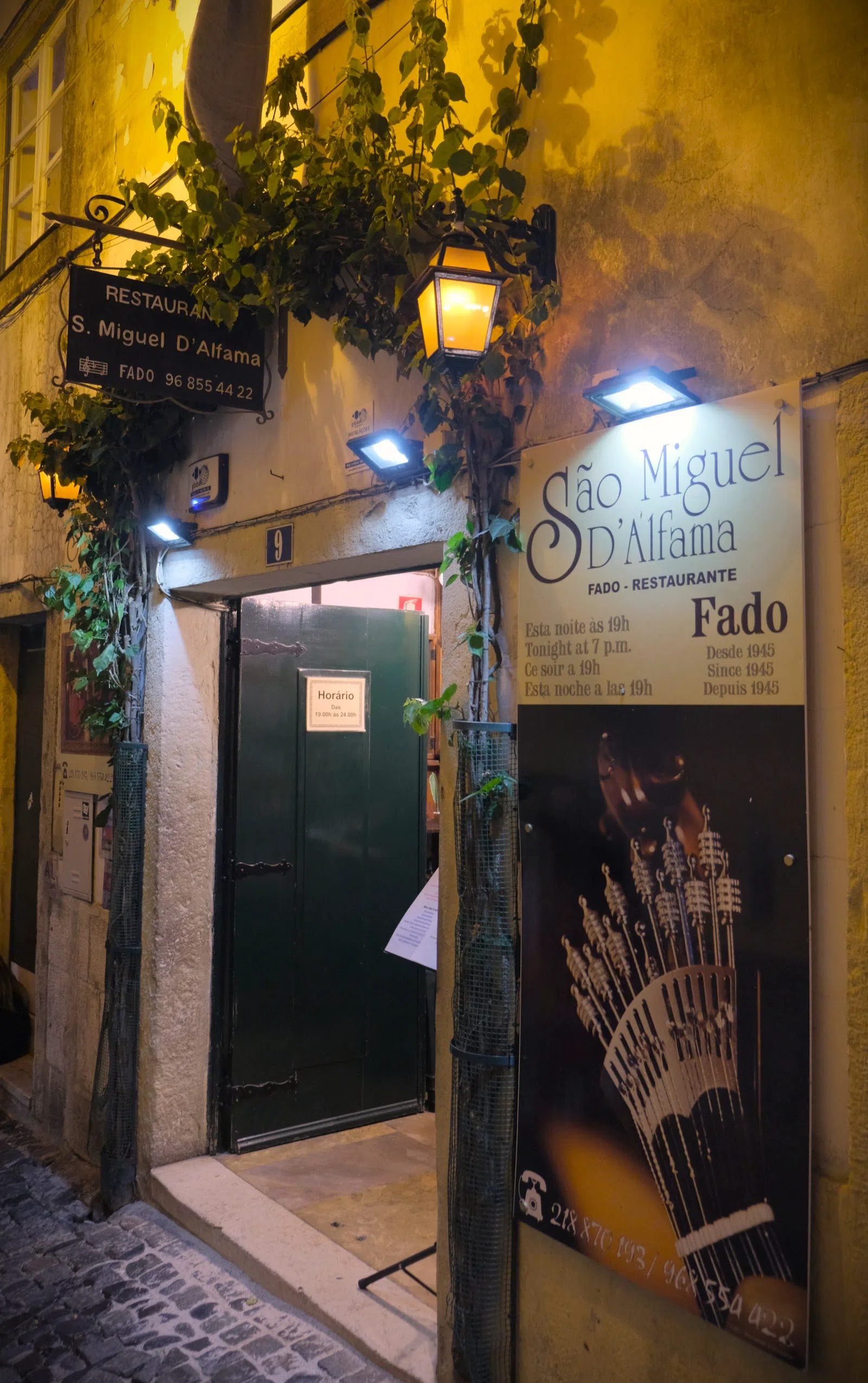
Arraial de São Miguel (Alfama) is the one to see first and the one everyone means when they say 'Santo António.' It runs from late May through 28 June 2026, and it's free to walk into — there's no gate, no ticket, just a widening river of people moving between grills that have set up literally at every doorway on the hill. A sardine plate runs €1.50–4, same for a cup of wine or a beer, and nobody is sitting down to eat it — you stand, you eat with your fingers, you move to the next grill. Groups can push through fine because the crowd itself is the entertainment, but don't expect a table, a menu or a queue system — this is the single most authentic sardine scene the city has, and it's also genuinely chaotic. Go for the atmosphere, not for a sit-down meal.
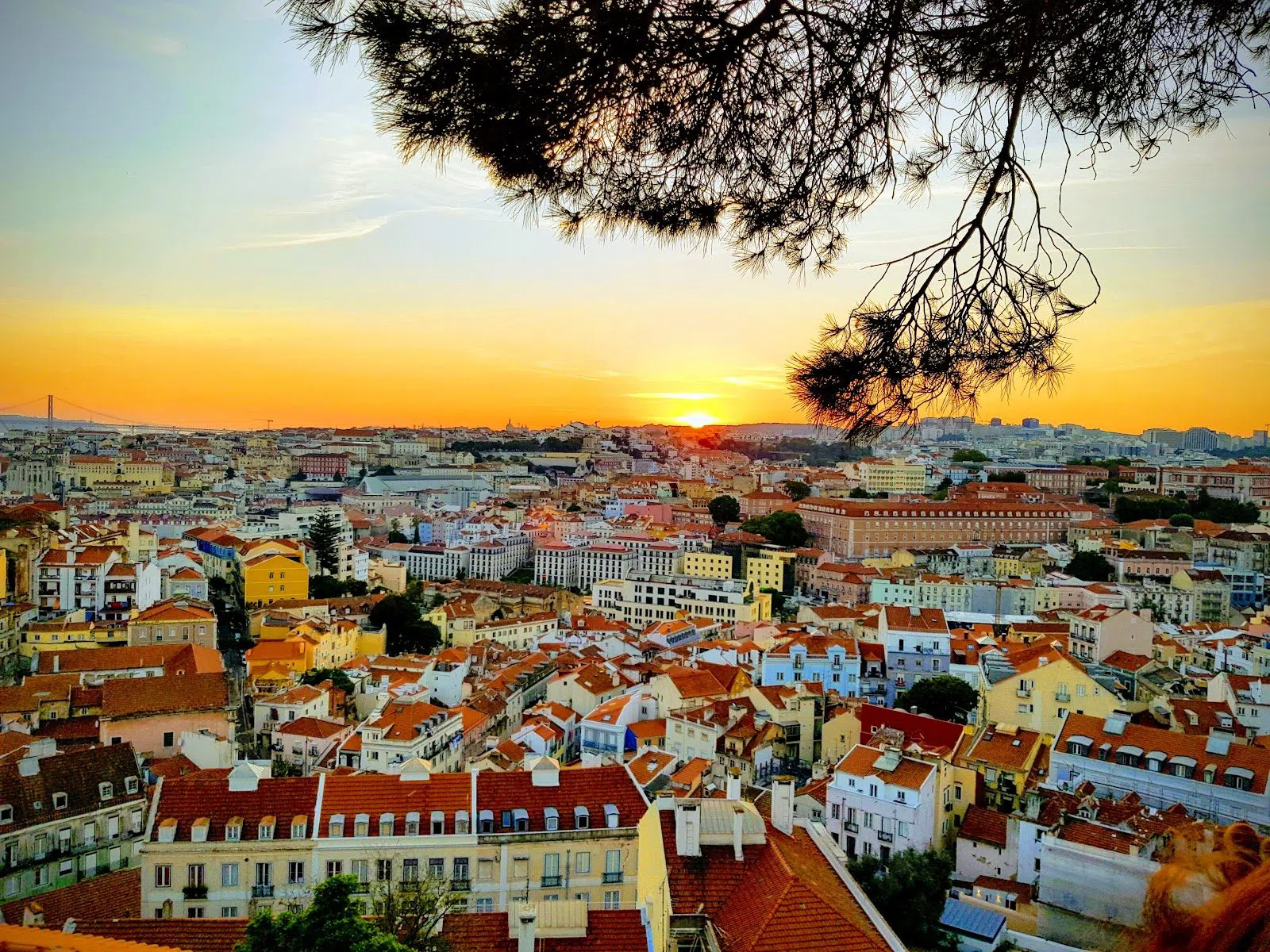
If that chaos isn't for you, or you're trying to keep six people together without losing anyone, Arraial da Graça (Miradouro da Graça) runs the same festival — same grills, same music, same €2–5 plates — on a wide-open miradouro instead of a stack of narrow alleys. It's free, it's roomier, and you get Lisbon laid out below you while you eat, which more than makes up for being one tram stop further from the main event.
Arraial da Mouraria (Largo da Rosa) runs 28 May–13 June 2026 and is the deliberate counterpoint to Alfama's old-school traditionalism — organised by Renovar a Mouraria, with vegetarian options on the grill and programming explicitly built to welcome mixed and international groups rather than assume everyone's eating sardines. It's free, and it's the arraial I'd point a vegetarian or a nervous first-timer toward.
Arraial da Vila Berta (Graça) is the neighbourhood secret that stopped being a secret once it got shared on every Lisbon Instagram account in the city. It's free, it's tiny, and live music runs almost daily from early June through the 12th, closing around 4am on Santo António's night itself. Get there early — the footprint is small enough that it fills up fast, and once it's full, it's full.
Plan your Lisbon trip
Live prices from our booking partners.
Free cancellation on many rooms. We may earn a commission when you book.
Santo António's Night: The Parade, the Weddings
The night of 12 June 2026 is when all of this converges into one official set-piece: the Marchas Populares (Avenida da Liberdade Parade), EGEAC's flagship event, with this year's theme 'We are Lisbon, We are Europe.' Neighbourhood associations spend the whole year building costumes and choreography for a few minutes of marching down Lisbon's grandest avenue, and it's free to watch from the street — arrive before 20:00 if you want an actual sightline, because the pavement fills in fast and once the bands start there's no polite way to push forward. If you'd rather see it seated and without the crowd-jostling, EGEAC runs paid preview shows at Altice Arena in late May, roughly €6–10, which is the same choreography a few weeks early and under a roof.
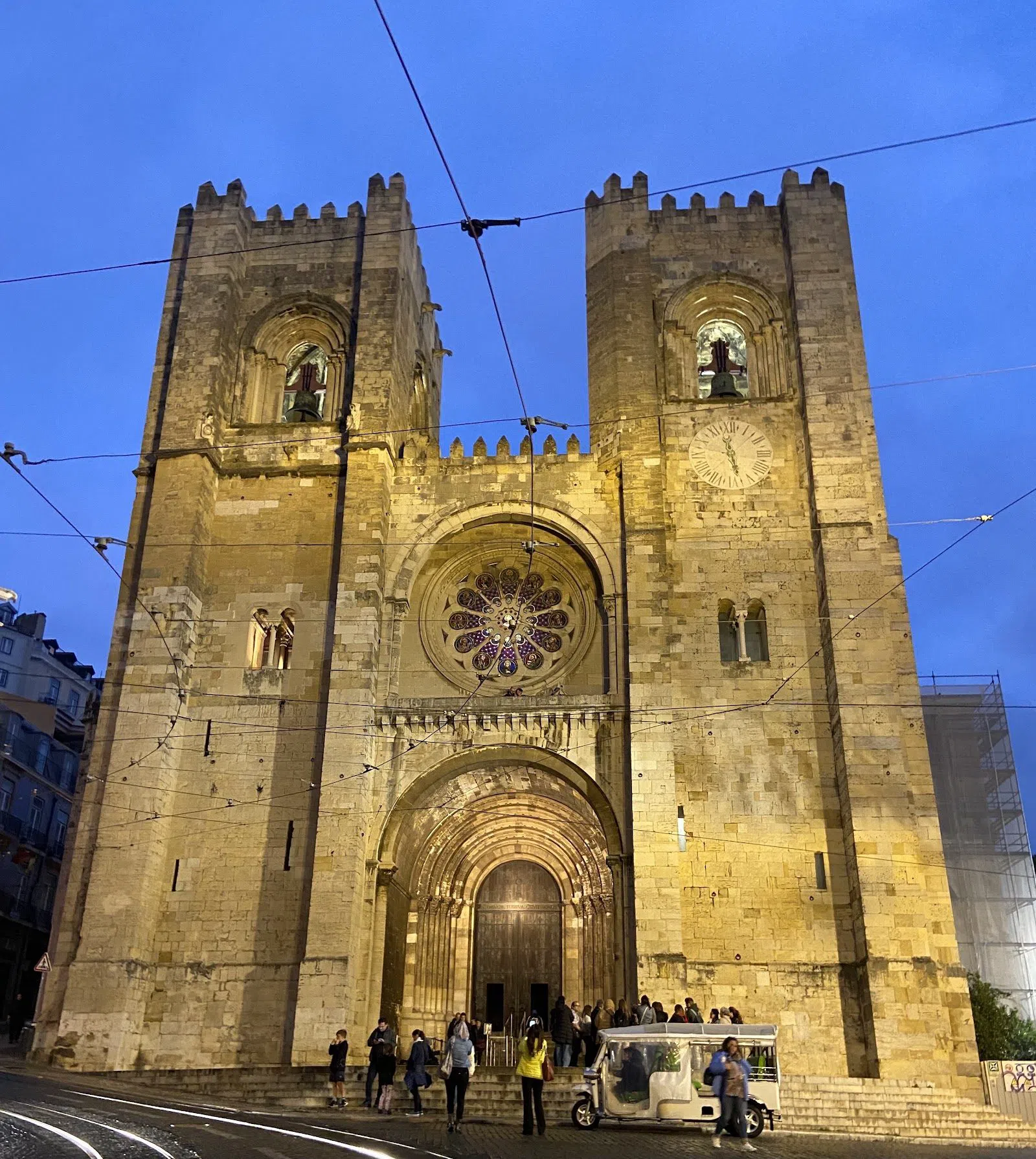
Santo António's other claim to fame is matchmaking, and on the same day, 16 couples marry in a free collective wedding ceremony at the Sé de Lisboa (Alfama), Lisbon's cathedral. You can't get inside for the ceremony itself, but it's free to stand outside and watch, and there's a small charge if you want to see the cloister or treasury while you're there. It's a genuinely moving, very local thing to witness — not staged for tourists, just Lisbon doing what it's done on this date for centuries.
Sitting Down: Sardines Done Properly
Everything so far is standing-room. If you want to actually sit at a table, here's where I'd send you — and where I've eaten more than once, because that's the only way I'll tell you a place is worth it.
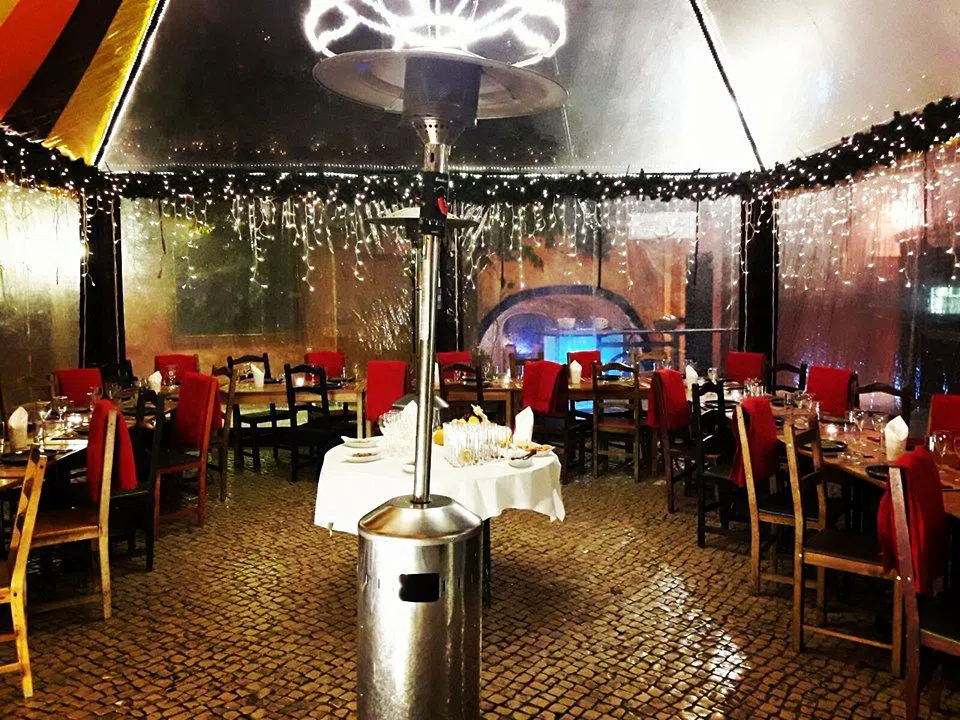
Chapitô à Mesa (Alfama) is the best seat in the house, literally — a restaurant with a terrace that looks straight out over the rooftops the whole festival is happening under, run by the Chapitô social-inclusion circus school. There's a formal dining room upstairs and a more casual terrace below; mains run roughly €15–25, and it's €€€ territory, but during June you're paying as much for the view over the arraiais as for the food. Book ahead — [email protected] or 218 875 077 — because everyone else has the same idea in June.
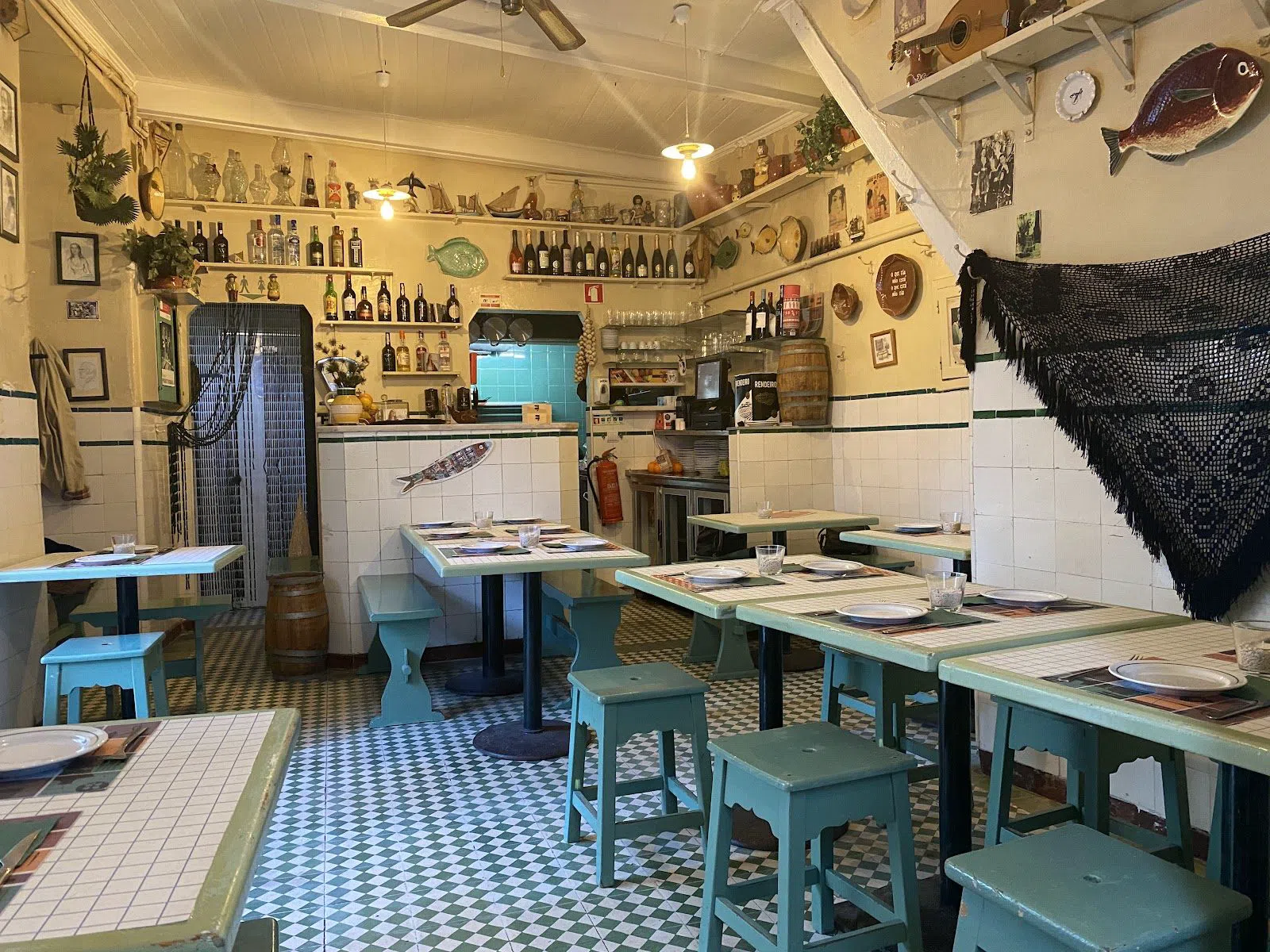
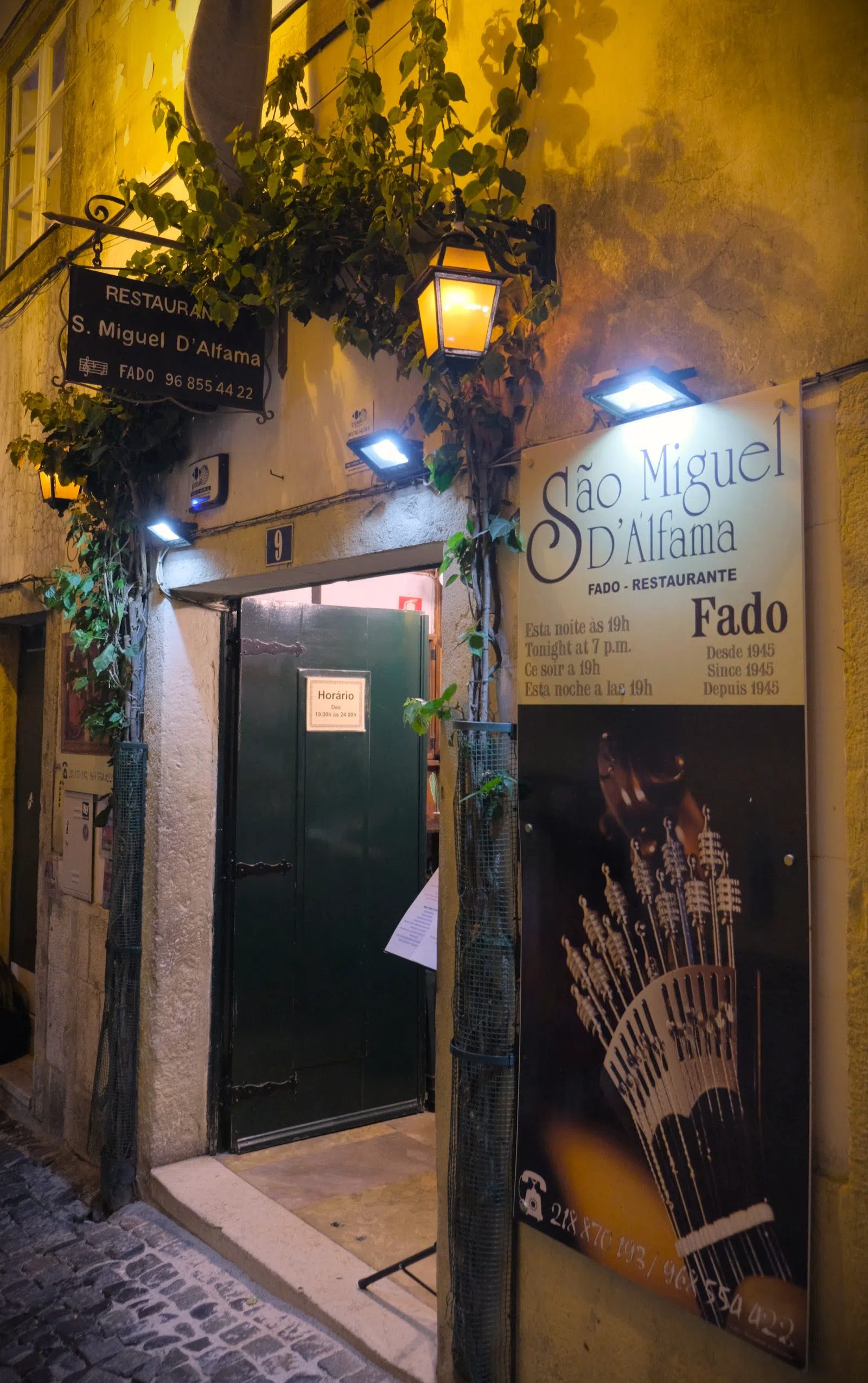
A Baiuca (Alfama) is the opposite experience entirely: a fado vadio restaurant so small it can't take large groups, best kept to pairs or trios, where the singing is unscheduled and unmiked and comes from whoever in the room feels like standing up. It's €€, it's phone-only booking (+351 218 867 284), and during festival season you need to call more than a week ahead — this isn't a tourist fado show with a fixed programme, it's the real, unpredictable thing, and that's exactly why it books out.
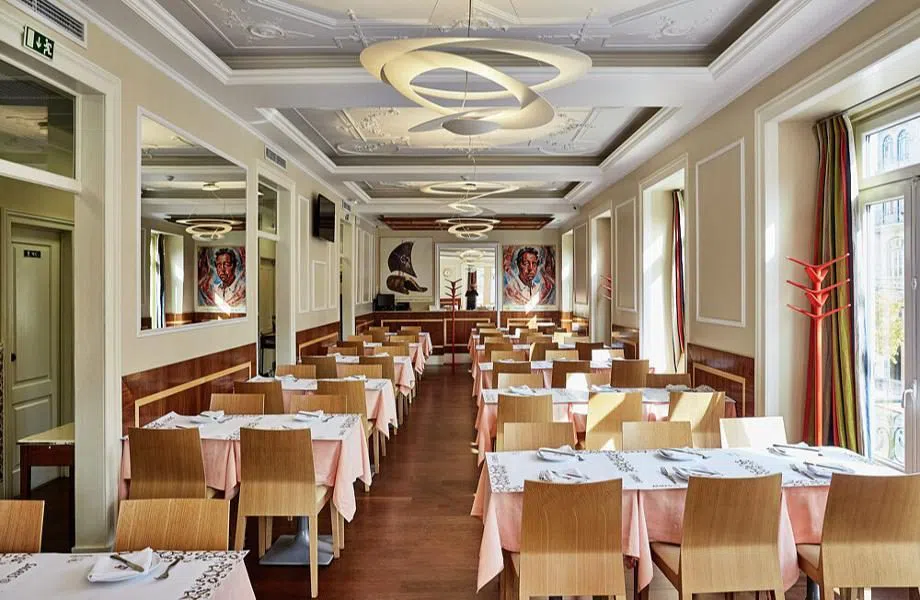
Cervejaria Ramiro (Intendente) isn't sardine-specific — it's Lisbon's benchmark seafood institution, Michelin-adjacent quality, and it's open right through the same June season as everything else here. It's €€€, reservations go through the website with a credit-card deposit, or by email for parties over six, and walk-ins queue — sometimes up to an hour. I'm including it because if a reader wants to know what 'good grilled seafood' actually tastes like in this city, outside the festival-plate context, this is the place that sets the bar everyone else in Lisbon is measured against.
The Story Behind the Sardine
None of this — the grills, the parade, the weddings — makes much sense without a bit of context, and Alfama has two small museums that supply it.
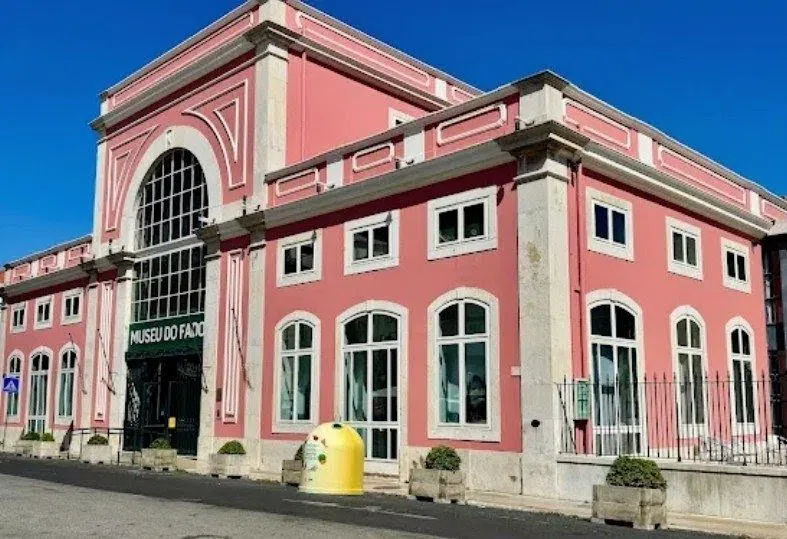
Museu do Fado (Alfama) costs €5 (€2.50 concessions, free under 12), and it explains why fado and Santo António's festivities are so tangled together in this particular neighbourhood — the museum runs guided tours and educational programmes for groups by appointment through its Educational Service, worth booking if you're travelling with more than a couple of people and want the history rather than just the noise.
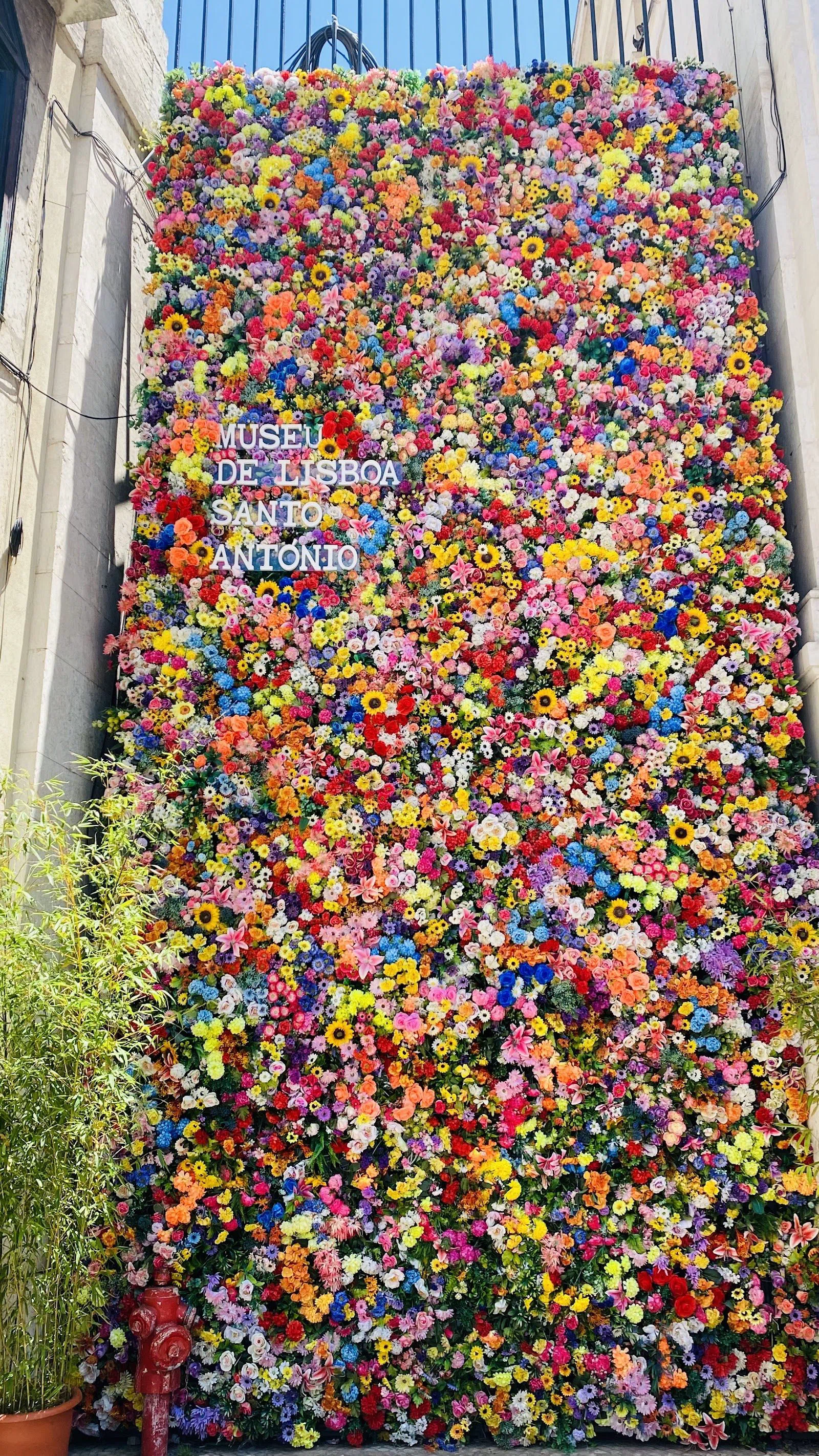
Museu de Lisboa – Santo António (Alfama) is smaller still, best suited to a small group rather than a crowd, and it's the only venue in the entire city built specifically around the saint the whole month is named for. Check the current ticket price on-site before you go — it's modest, but it changes.
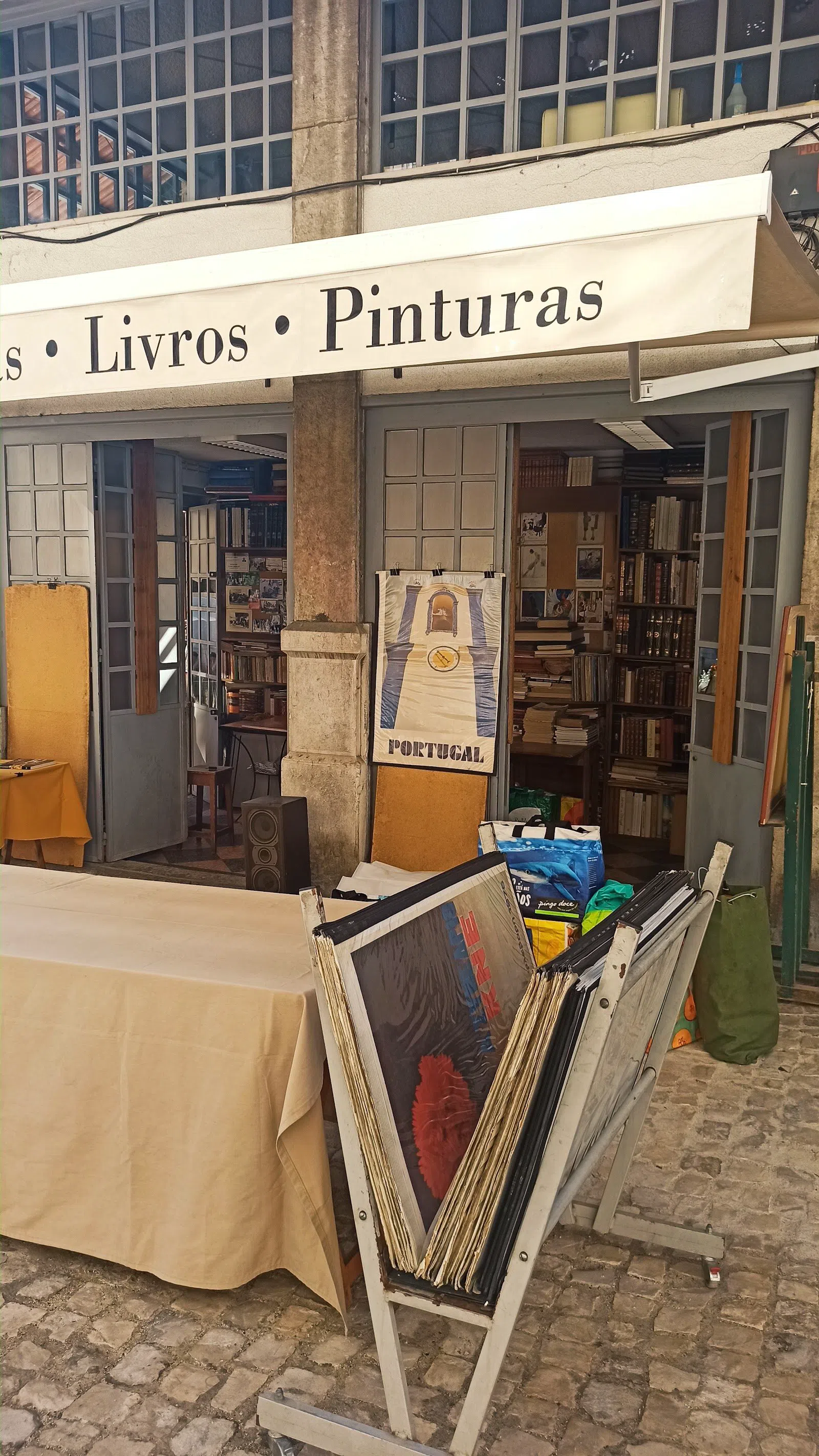
Then there's the tradition everyone's heard of and half of them get wrong: the basil pot. At Feira da Ladra (Campo de Santa Clara), Lisbon's open-air flea market, you can actually find and buy a manjerico — the small potted basil plant, €3–5, traditionally given between courting couples during Santo António. It's free to wander the market itself, and it's the best place in the city to see the tradition as an object rather than just a line in a guidebook.
If You'd Rather Have It Explained to You
If five separate arraiais, a parade, two museums and a flea market sounds like more logistics than holiday, there's a shortcut. The Santos Populares Festival Tour — Sardines & Ginjinha (small-group walking tour) is English-speaking, guide-led, built specifically for visitors and bookable in advance — from roughly €57 per person, running June only. In about five hours it covers sardines, arraial atmosphere and the marchas energy in one outing, which is the fastest way I know for someone with three days in the city to get the whole festival without missing the parts that matter.
Getting There, and What to Bring
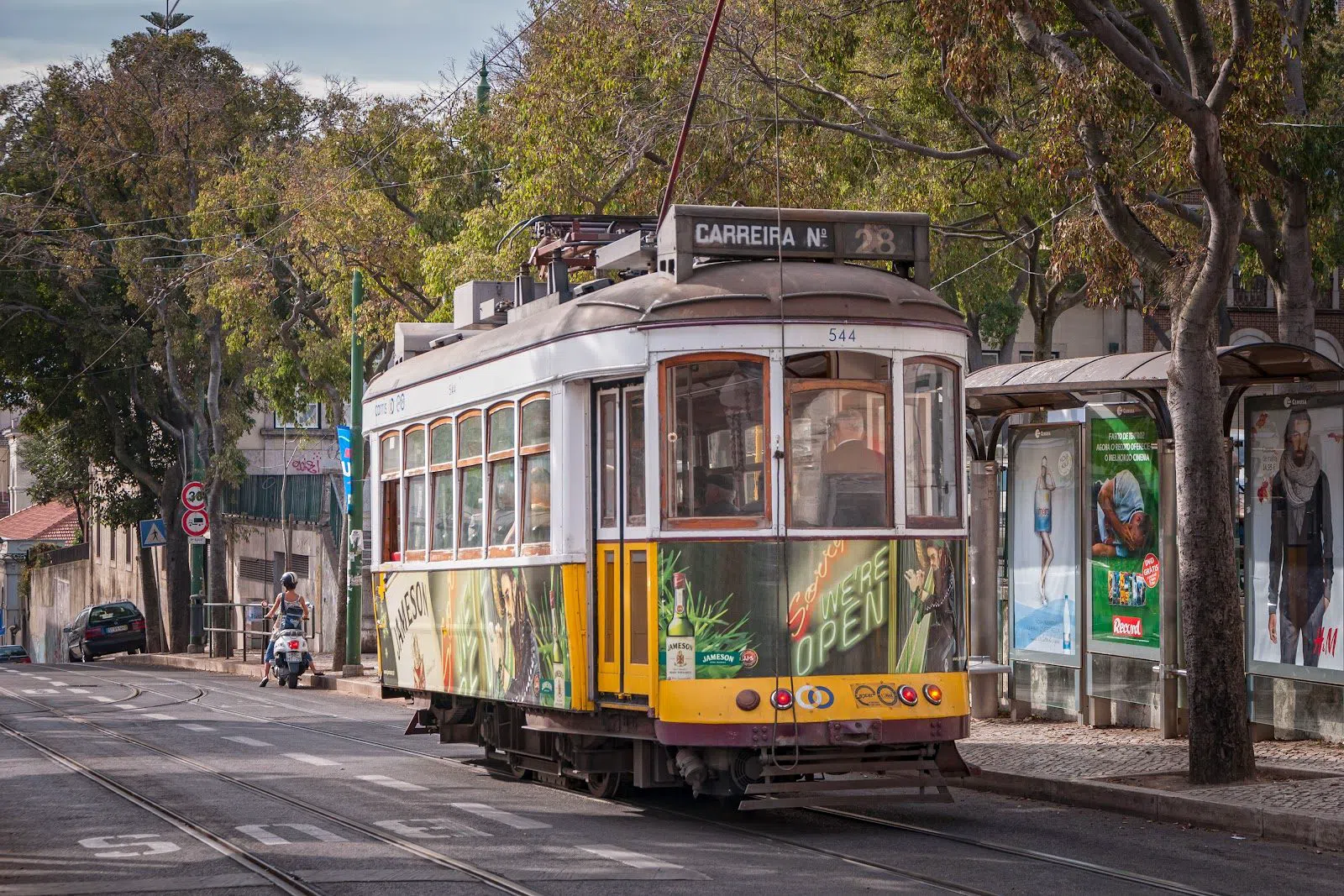
Transport: Alfama, Graça and Mouraria are all walkable from each other but steep — wear shoes you can grip cobbles in, not festival flip-flops. Tram 28 runs through the heart of it but gets packed solid in June; the metro (Santa Apolónia or Terreiro do Paço) plus a walk uphill is usually faster than waiting for a tram that's already full. For the Avenida da Liberdade parade, Restauradores or Avenida metro stations put you right on the route.
Cash: Bring small notes and coins. Arraial grills are street stalls run by neighbourhood associations, not businesses with card machines — €1.50–5 in coins covers a plate and a drink, and nobody wants to break a €50 note at a folding table.
Timing: The festival runs essentially all of June, but it peaks hard around 12–13 June, Santo António's actual feast night, when the parade, the weddings and every arraial in the city are running simultaneously. If you want the spectacle, be here for the 12th. If you want the sardines without the crowd crush, come in the first half of June, or head to Graça or Vila Berta instead of Alfama's main strip.
Budget: A night moving between arraiais costs almost nothing — €10–15 covers plates and drinks for one person across an evening. A sit-down dinner at Chapitô à Mesa or Ramiro runs closer to €30–50 a head with wine. The guided tour is the one fixed cost at roughly €57pp, and museum entry is €5 or under.
Book accommodation in Alfama or Graça if you can — you'll be able to walk to three arraiais without touching a taxi. Start with Lisbon hotel search for options near the festival streets, and see the full Lisbon guide for the rest of the city outside sardine season.
Before you go
When exactly is Lisbon's sardine season in 2026?
The arraiais run essentially all of June, with individual street parties starting as early as 28 May, but everything peaks together on 12–13 June, Santo António's feast night, when the Avenida parade, the collective weddings at Sé de Lisboa and every arraial in the city happen at once.
Is the Santo António festival free to attend?
Yes — every arraial (São Miguel, Graça, Mouraria, Vila Berta) has free entry, watching the Marchas Populares parade from the street is free, and standing outside Sé de Lisboa for the collective weddings is free too. You only pay for what you eat and drink at the grills, roughly €1.50–5 per item, plus optional extras like the Altice Arena preview shows or museum tickets.
Do I need to book restaurants during festival season?
For sit-down places, yes. Chapitô à Mesa and Cervejaria Ramiro both get busy through June — book Chapitô by email or phone, and Ramiro via its website deposit system or by email for groups over six. A Baiuca is phone-only and so small it needs booking more than a week out. The arraiais themselves need no booking at all — you just turn up.
Which arraial is best for a group versus a couple?
Arraial da Graça suits groups best because its open miradouro layout makes it easy to stay together, and Arraial da Mouraria is the most welcoming to mixed international groups with vegetarian options. Arraial de São Miguel is the most atmospheric but its narrow Alfama alleys get genuinely packed. Vila Berta is small and fills fast, so it works better for a couple or a small group who arrive early.
What is a manjerico and where can I find one?
A manjerico is a small potted basil plant, traditionally given between courting couples during Santo António — the origin of the festival's famous basil-pot tradition. The best place to see and buy one is Feira da Ladra, Lisbon's open-air flea market at Campo de Santa Clara, where they sell for €3–5.