
The eastern edge of Lisbon is the one long stretch of the city where nothing is uphill. The Tagus is close to its widest here, opening toward the sea, and the promenade that runs along it is flat, paved and planted with trees that were put there for shade rather than for show. Most visitors come for the aquarium, give it three hours and go back to the hills. The better version of this day treats the aquarium as an anchor and spends the rest of it at the water.
Arrive at Gare do Oriente and go up one level before you leave
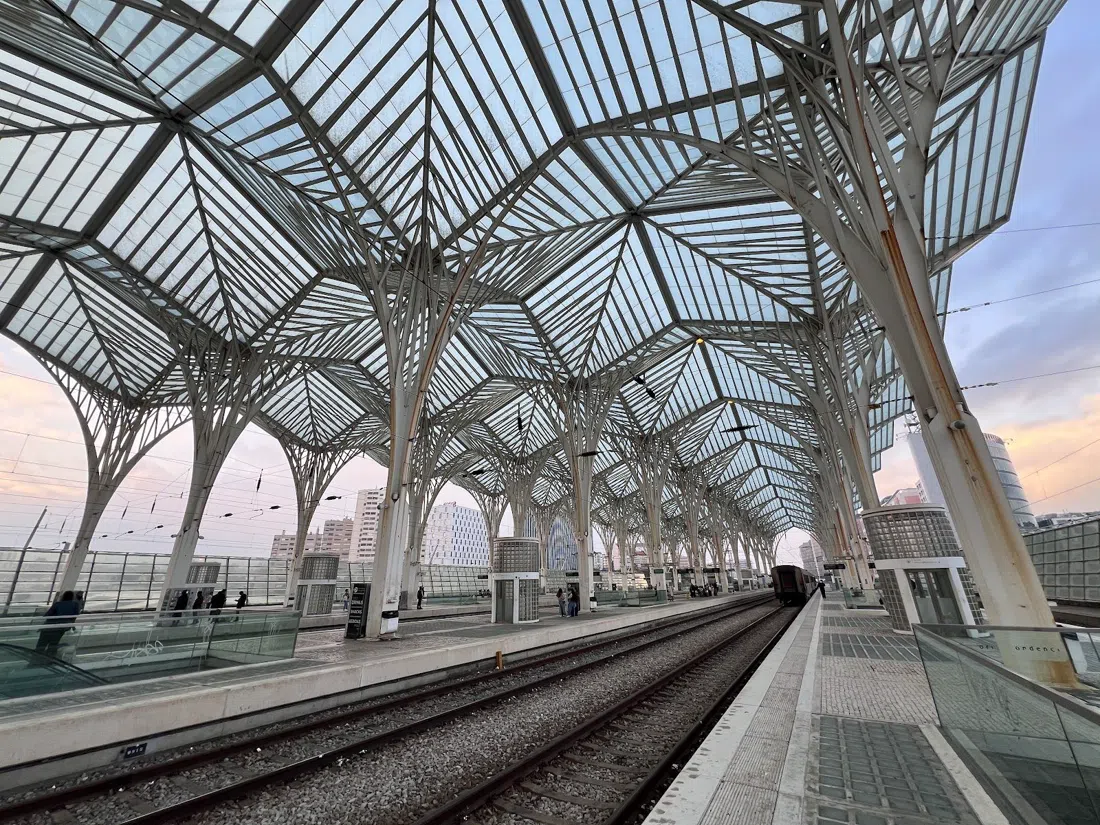
Gare do Oriente (Parque das Nações) is where the metro, the suburban and long-distance trains, the airport buses and the coaches all converge, which means almost everyone reading this will pass through it at some point. It is free, open and walk-through at any hour, and you can cross it in ninety seconds without registering a thing. Go up to the platform level instead and give it five minutes. The canopy is a grid of white steel columns that branch overhead into glazed ribs, and from mid-afternoon the light drops through it in stripes across the tracks. No ticket, no queue, no limit on group size, and it is the single cheapest thing you will do all day.
From the station the river is about 600 metres east — roughly eight minutes on level ground, either straight through the shopping centre or around its north side if you would rather stay outdoors. Then the buildings stop and the estuary is in front of you. If you want the hills, the trams and the old quarters, those are a different day and covered in our Lisbon guide; this one stays on the flat.
Book the aquarium for the quiet end of the day
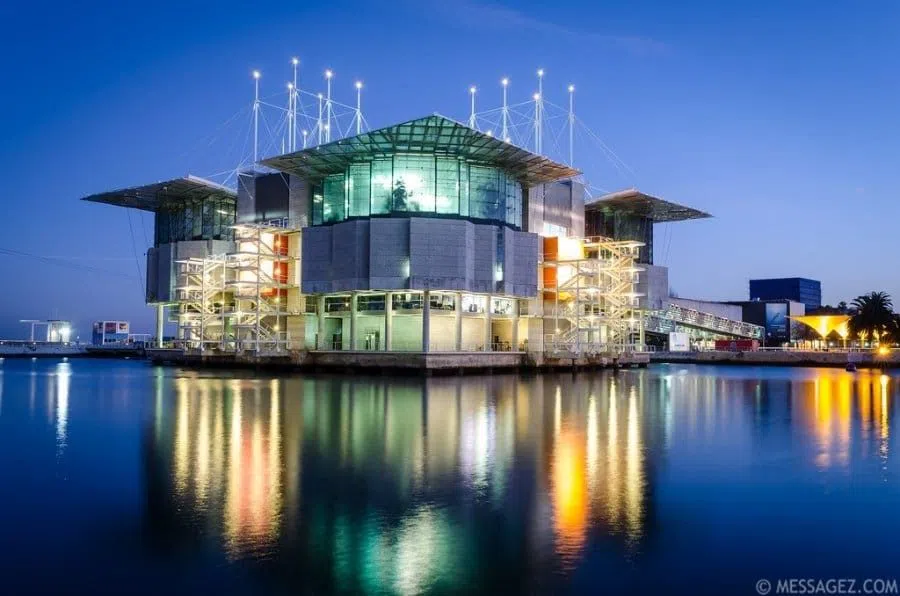
Oceanário de Lisboa (Parque das Nações) sits on its own pier over the water and is built around a single central tank, with four habitat wings arranged around it so that the same body of water is read four different ways as you circle down. It works because you keep returning to the same glass from new angles. Adult tickets run €25.50–€29.90 depending on the time slot, children aged three to twelve are €15.50–€17.70, and booking online takes 5% off. Entry is timed, and the slot you pick matters more than anything else about the visit.
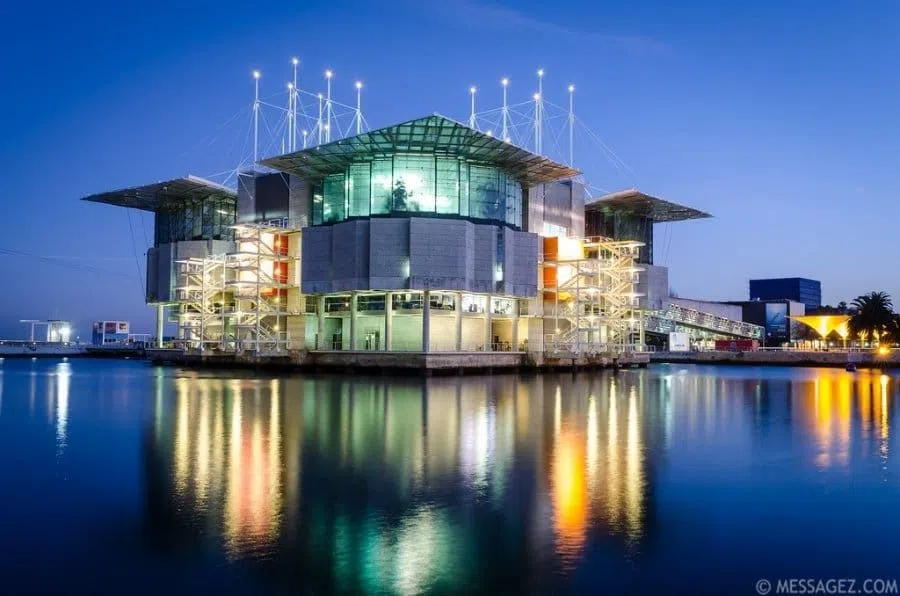
The 10–11:30am and 4–6:30pm slots are cheaper and noticeably calmer. Early afternoon is when the coach parties, the school groups and everyone who decided over lunch to come here all arrive at once, and the ramp down to the lower level becomes a slow shuffle. There is no door policy and groups are handled well — school and group programmes are bookable in advance — but a large party will still have a better time at 10am than at 2pm. Budget two hours, not four. If you are travelling with children who will want to sit down afterwards, the promenade outside has benches in the shade within a minute of the exit.
A science museum two minutes away when the weather turns
Pavilhão do Conhecimento – Centro Ciência Viva (Parque das Nações) is a two-minute walk from the aquarium doors and is the obvious partner to it, either because it has started raining or because you have children with more energy than the afternoon can absorb. Entry is around €10–€12 for adults and less for children, and the ticket is valid all day, so leaving for lunch and coming back is normal rather than a problem.
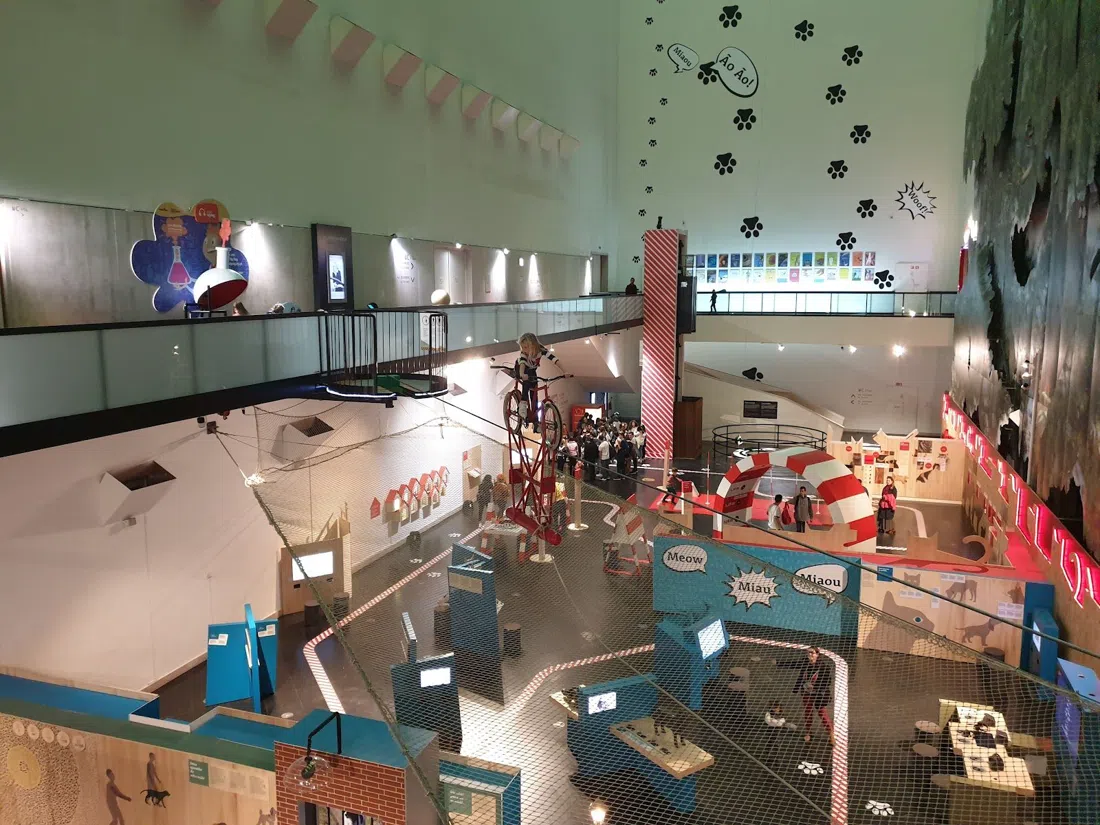
It is genuinely built for groups — there is a dedicated group booking line — but note that group last entry is earlier, at 16:30, so a large party arriving at five will be turned away. It closes on Mondays outside the summer season, which is worth pinning down before you build a Monday around it.
The gardens and the promenade are the actual point
Jardim Garcia de Orta & Passeio das Tágides (Parque das Nações) is the wandering half of the day and costs nothing. The garden is planted with species the caravels brought back from the sea routes, so the walk doubles as a botanical record of where Portuguese ships went, and the promenade runs on from it along the water's edge for roughly a kilometre and a half.

This is the only long, flat, shade-lined river walk in Lisbon where nobody is climbing anything. Wheelchairs and pushchairs are fine along its whole length; so are groups of any size, since it is simply public space. The one caution is wind — there is nothing between you and the open estuary, and on a bright day with a stiff westerly the promenade is several degrees colder than the streets behind it. Bring a layer you can take off indoors.
The cable car covers the length of the park in eight minutes
Telecabine Lisboa (Parque das Nações) runs above the waterfront between a terminal near the aquarium and one near the tower at the north end, and it is the cheapest high view in the city. Fares start at €7.50 one-way, with a round trip a few euros more. No booking, the queue moves, and gondolas take small parties as they come.
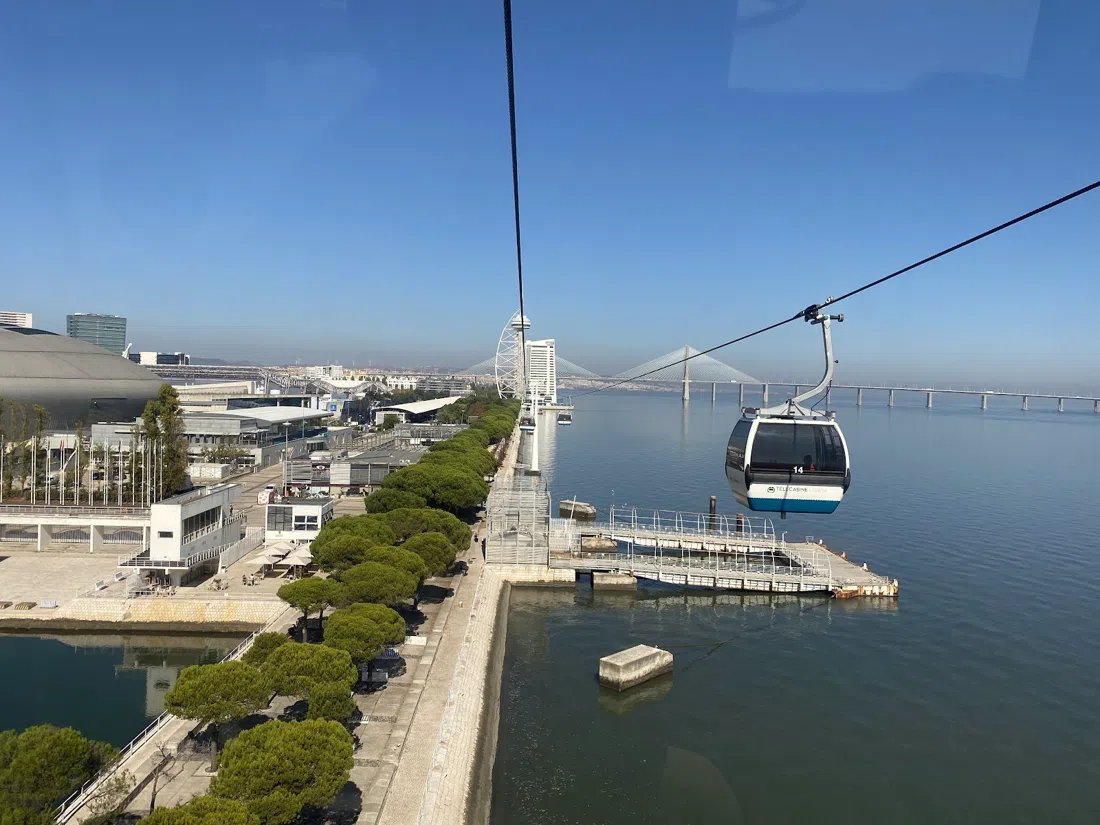
The sensible use of it is one-way north, then walk back down the promenade at ground level, which gives you both versions of the same stretch for the price of a single ticket. Two things to plan around: it runs Monday to Saturday and does not operate on Sundays, and it shuts for annual maintenance from 17 November to 5 December 2026. If your only free day is a Sunday, plan on walking.
The tower, the sundowner and the dress code
Torre Vasco da Gama — Babylon 360º (Parque das Nações) is the tallest building in Portugal, now wrapped into the MYRIAD by SANA hotel, and the rooftop bar at the top of it is the best-placed spot on this stretch for the last hour of light — you are directly over the river with the bridge to your left. Cocktails run €15–€20. It opens evenings only, from 6pm, and stays open to 2am Thursday to Saturday.
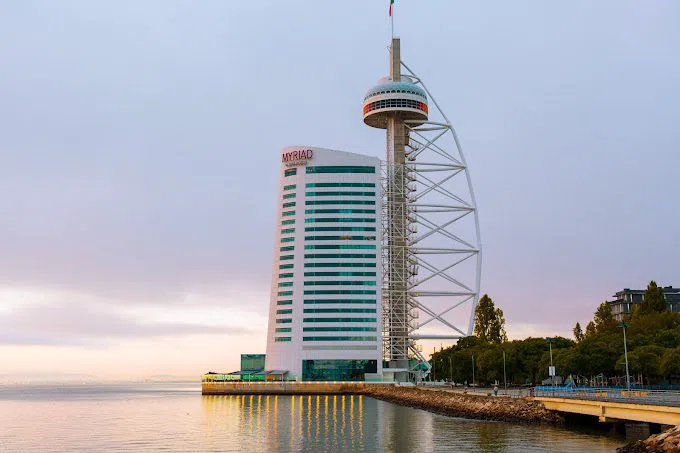
Smart-casual is expected and enforced in the way rooftop bars usually enforce it: nobody will measure your shirt, but beachwear and sports kit will get a conversation at the lift. Small groups are fine walking in; anything above about six should call ahead, because the seating is limited and there is no standing room to spill into. One thing to be clear about before you arrive — Fifty Seconds, the two-Michelin-star restaurant in the same tower, is a separate operation at a far higher spend, with its own booking and its own months-ahead reality. Turning up at the bar and hoping to slide into dinner there does not work.
Keep walking north and the crowds stop
Parque do Tejo e do Trancão (Pope Francis Park) begins past the tower and is where the eastern waterfront stops being a designed attraction and becomes open ground. It is free, unlimited in group size, and within ten minutes of leaving the last café the number of people around you drops to almost nobody.
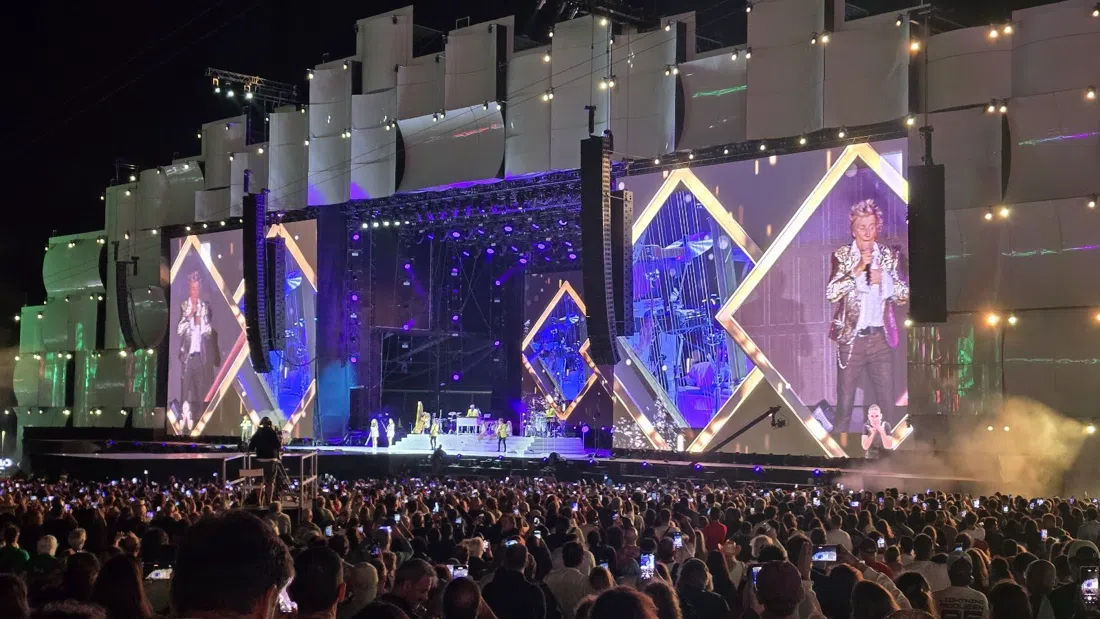
Walk far enough north and you stand directly underneath the Vasco da Gama bridge, which runs more than seventeen kilometres across the estuary and is the reason the scale of the river finally registers. It is a good place to turn around. The park also serves as the site for a large music festival that fills it with tens of thousands of people on certain summer weekends, so if quiet is the reason you came this far, check the event calendar for your dates before you commit the afternoon.
Out onto the estuary itself
Marina Parque das Nações (Parque das Nações) is free to walk around and is the launch point for trips out onto the Tagus estuary, which is one of the most important in Europe for birdlife. Traditional-boat estuary trips run roughly €30–€60 per person; sailing and kayak sessions are also run from here, and private charters cost a good deal more. All of it takes groups, and the marina hires out space for events.
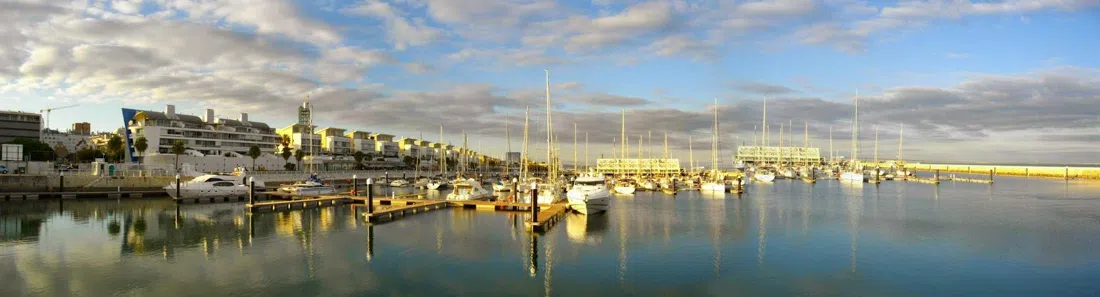
The trips are worth it for two reasons: the mudflats opposite hold waders and, at the right time of year, flamingos, and the city reads completely differently from a few hundred metres offshore. Some of the sailing school programmes are listed from time to time as temporarily unavailable, so confirm by phone or email before you build a morning around one rather than assuming the website is current.
Eating and drinking in the park
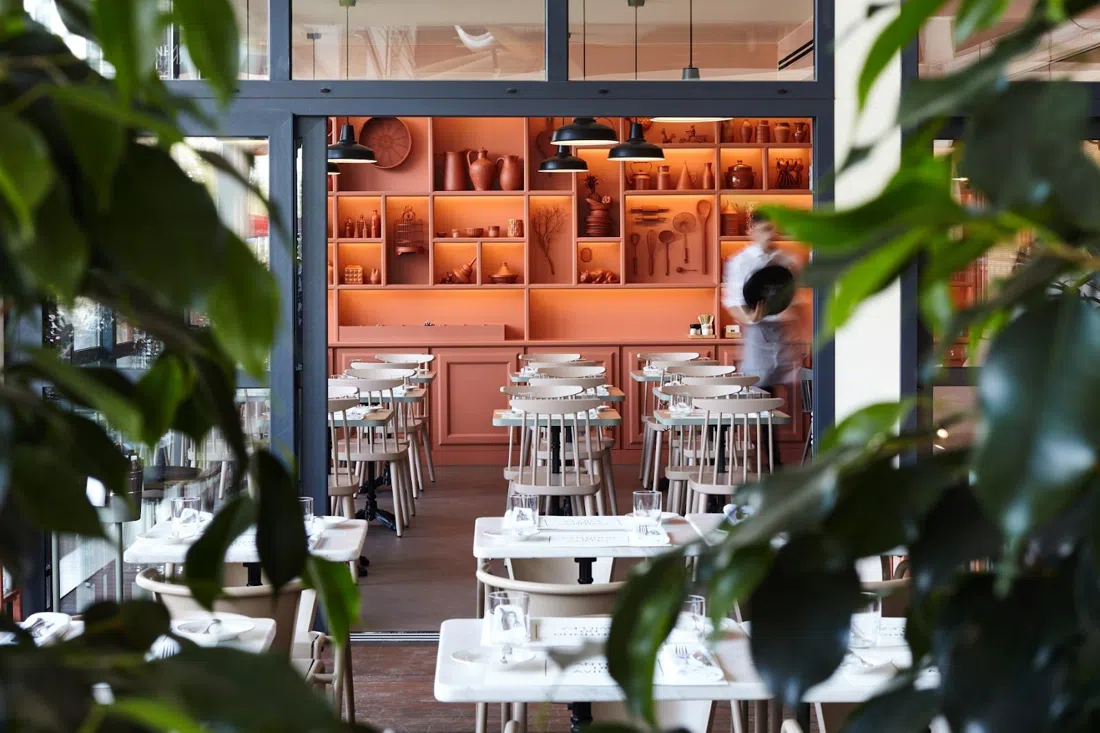
Cantinho do Avillez Parque das Nações (Parque das Nações) is the strongest cooking on this side of the city short of the tower — José Avillez's accessible format, open daily for both lunch and dinner, with mains around €20–€30. It takes groups, but book ahead for anything over four; walk-ins for a table of six on a Friday evening will not go well.
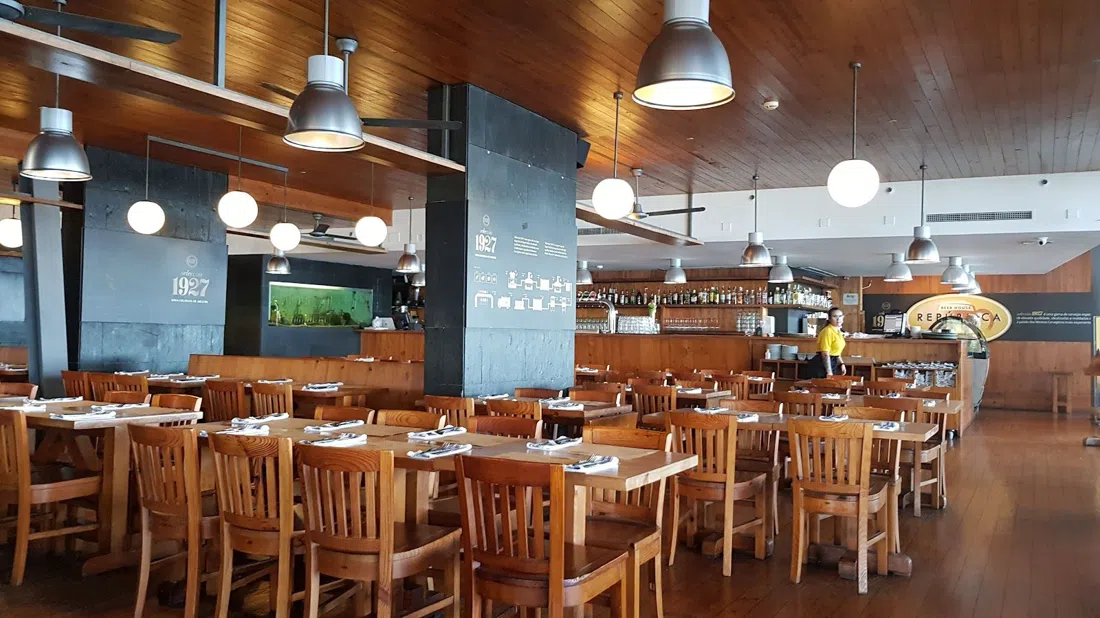
República da Cerveja (Parque das Nações) is the default when there are eight of you. It was the first beer house to open in this part of town, it has a large terrace and long tables directly by the water, and it does steaks in a dozen preparations with a craft list alongside. Mains run €15–€25 and it serves from noon to midnight, an hour later on Fridays and Saturdays. It is loud, it is not romantic, and it will seat your group without a reservation on most nights — those three facts are related.
Casino Lisboa for the shows rather than the tables
Casino Lisboa (Parque das Nações) is free to enter and strictly over-18 with photo identification, which they do check at the door — bring a passport or an ID card, not a photograph of one. Smart-casual applies. Groups are welcome.
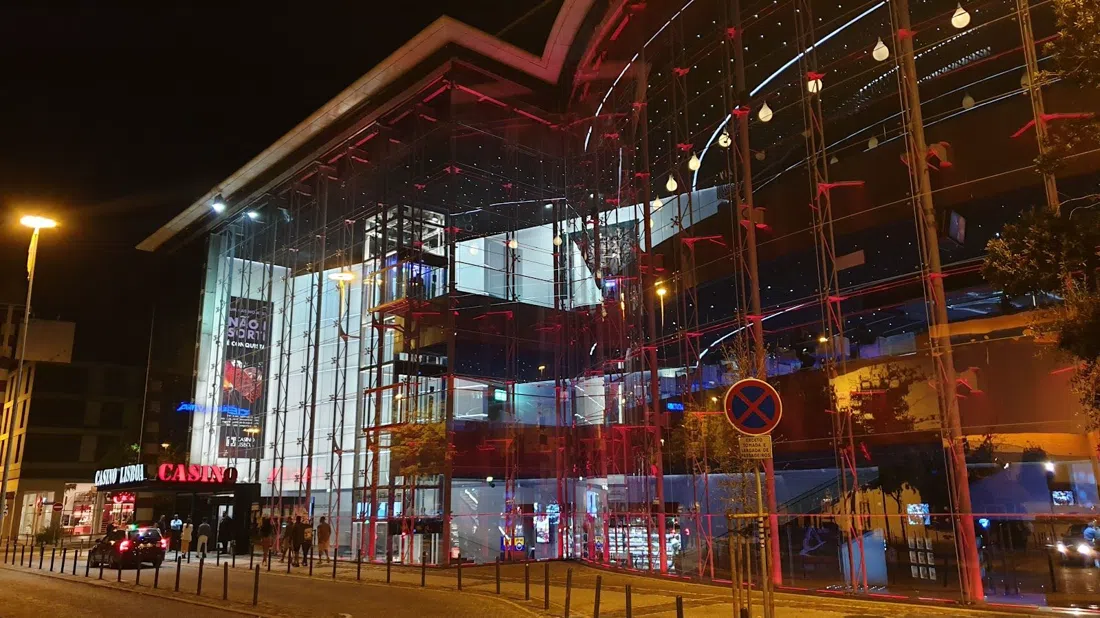
The reason to know about it has little to do with gambling. There are free shows at the Arena Lounge bar most evenings and a 600-seat auditorium, the Auditório dos Oceanos, running proper programmed acts. It is open daily from 3pm to 3am and later on Fridays and Saturdays, which makes it the fallback when everything else in the park has closed and nobody wants to go back to the hotel yet.
South to Marvila for beer, art and a market hall
Marvila and Beato sit about four to five kilometres downriver from the park, in the industrial belt between the aquarium and the old city. Do not try to walk it — the riverside path does not continue, and the route runs through rail yards and dual carriageways with no shade. Take the riverfront bus, the suburban train to Braço de Prata, or a ten-minute ride; any of the three is easier than the walk.
Dois Corvos Cervejeira (Marvila taproom) is the brewery that started this district's beer scene and still the most serious about the beer itself. Pints run €4–€6, there is a kitchen on site, and it opens at 3pm and closes on Mondays. Groups are fine and brewery visits are bookable.

Musa de Marvila (Marvila) is the louder, later counterpart — communal tables, no door policy, private events hosted, and a music programme that runs from funaná to cumbia with DJ sets running to 3am on Fridays and Saturdays. Same price bracket, cheap tostas and snacks, also closed Mondays.
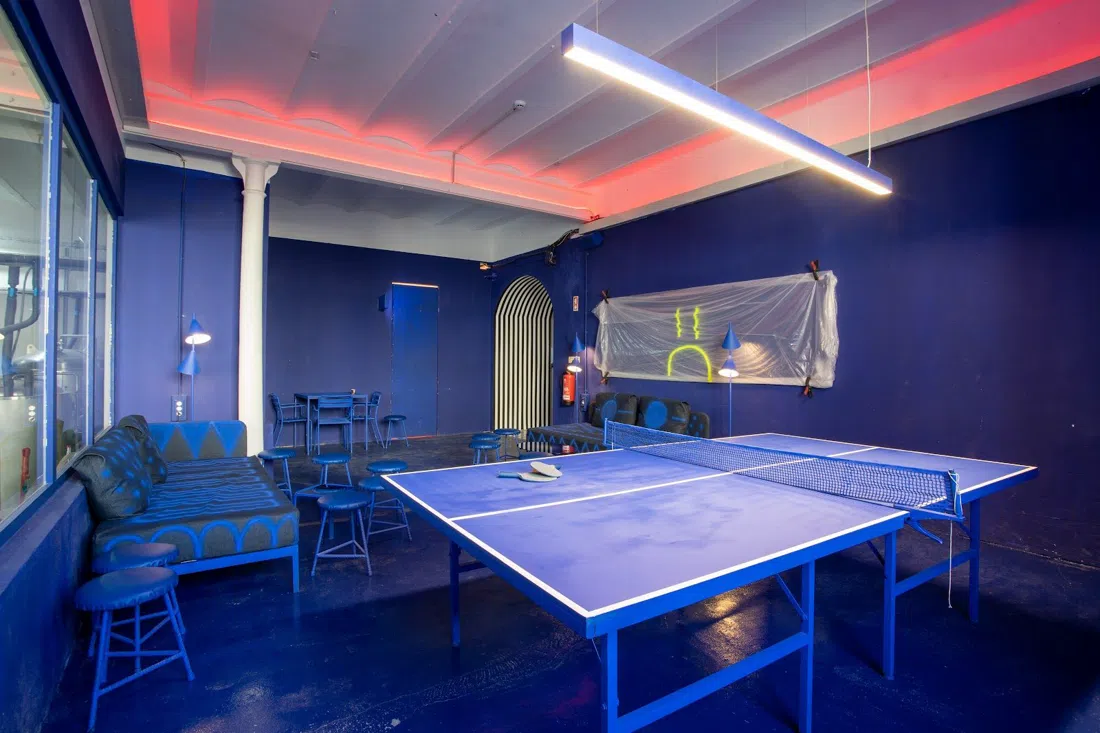
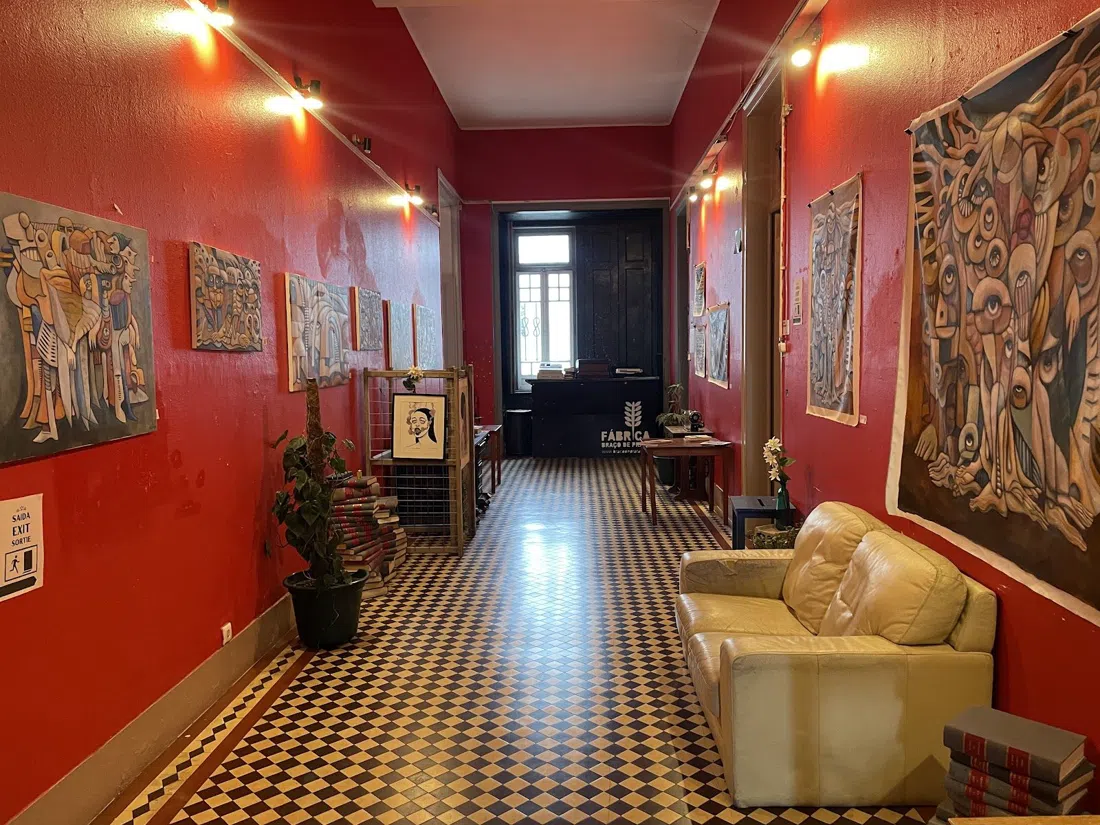
Fábrica Braço de Prata (Marvila) occupies a decommissioned arms factory and puts concerts, exhibitions, theatre, a bookshop and a restaurant into it at the same time, so no two rooms are doing the same thing on any given night. It opens from 6pm every night except Tuesday. There is a small door charge on concert nights, drinks are cheap, and the multiple rooms mean a party of ten can spread out instead of blocking a bar.
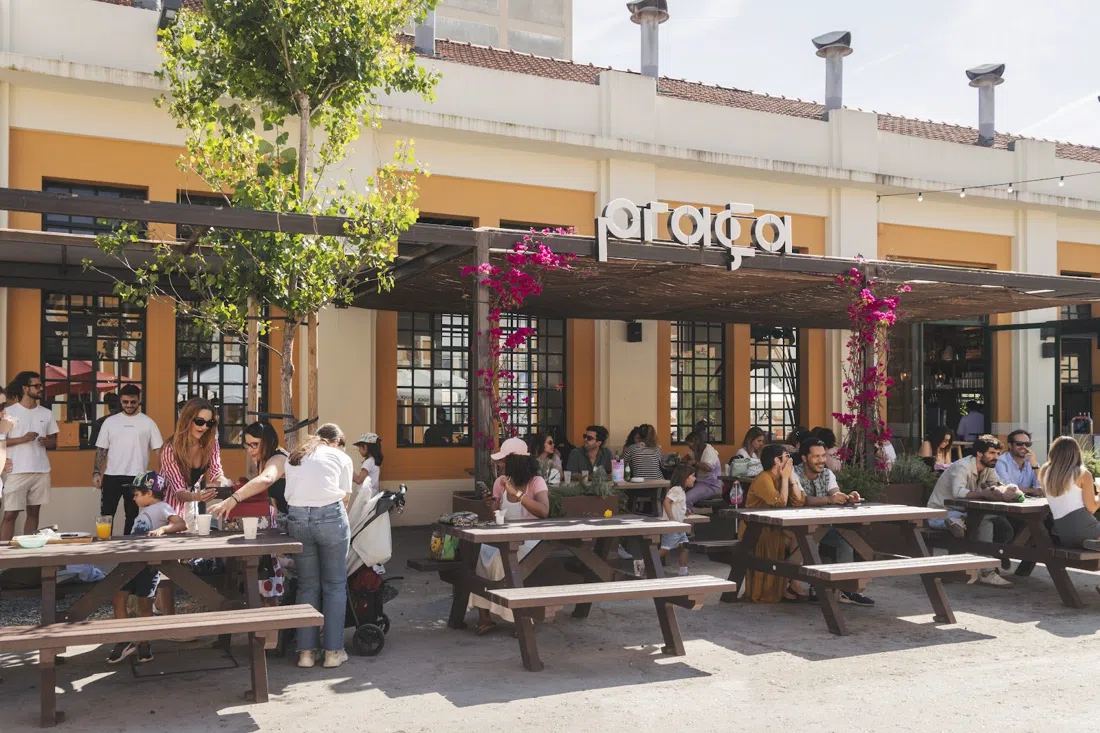
A Praça (Praça Beato, Beato) — rebranded from Praça Beato — is a producer-led food market rather than a food court, open every day from breakfast through to dinner, with a terrace and mains around €12–€20. Its Refeitório is set up for group dining and celebrations, which makes it the easiest lunch booking in this part of town.
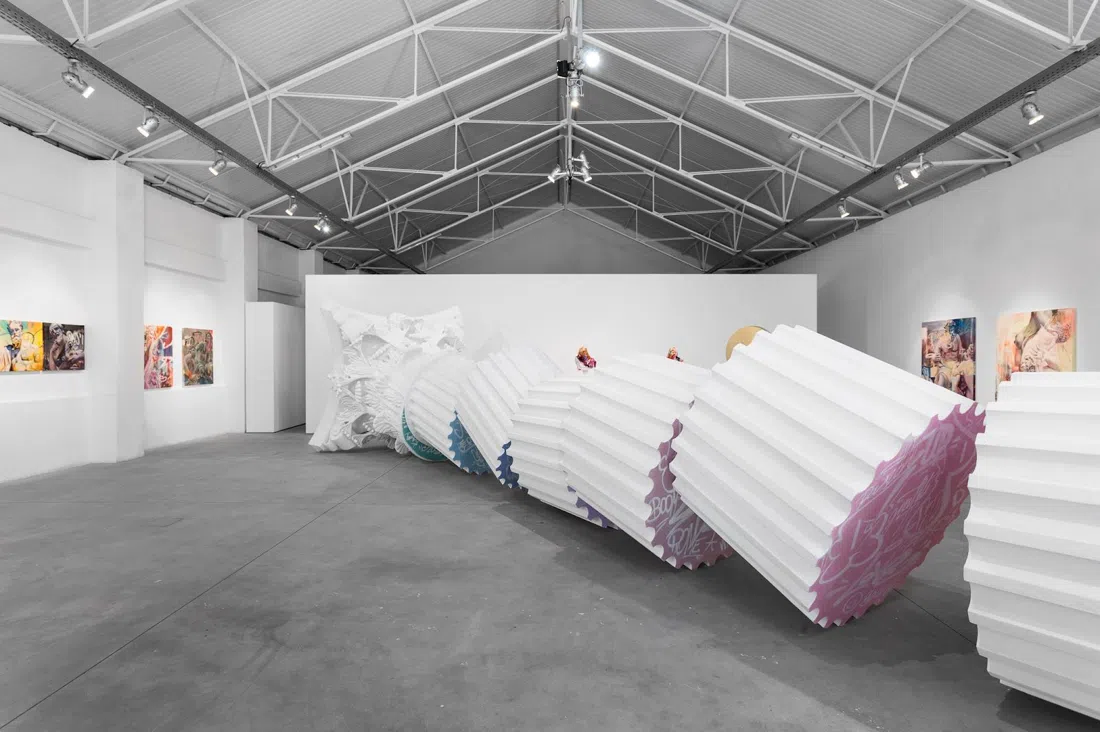
Underdogs Gallery (Marvila) is free, welcomes groups, and runs talks and workshops regularly. It is the gallery behind much of Lisbon's urban-art scene and explains why so many of the murals around these streets are there. The catch is the opening hours — Tuesday to Saturday, 2pm to 7pm only — so it has to be the fixed point you build the afternoon around rather than something you drop into.
Practical notes
Getting there. The metro red line runs to Oriente and connects to the airport in one direction and to the city centre with one change in the other; journey time from the middle of Lisbon is roughly 20 minutes. Buy a rechargeable Viva Viagem card at any station and top it up with credit rather than buying single paper tickets. For Marvila, use the riverside bus or the suburban line to Braço de Prata.
Cash. Cards work everywhere on this list. Carry €10–€20 in coins and small notes anyway, for the concert door charge at Fábrica Braço de Prata and for market stalls at busy moments.
Timing. Monday is the weakest day out here — the science museum, both Marvila taprooms and the gallery are all closed. Sunday removes the cable car. The gallery's 2pm–7pm window and the rooftop bar's 6pm opening bracket the late half of the day between them, so the natural shape is aquarium in the morning, promenade and park in the afternoon, and the tower or Marvila in the evening.
Budget. A day for two covering the aquarium, a one-way cable car ride, lunch at the beer hall and two rooftop cocktails lands around €140–€160. Strip out the tower and eat at the market instead and the same day runs closer to €90. The gardens, the promenade, the northern park, the station and the gallery are all free.
Staying. Sleeping out here means a quiet, modern, flat district with fast metro access and almost no nightlife noise, at the cost of being 20 minutes from the old quarters — a fair trade with children, a poor one if you want to walk home from dinner in the centre. Compare both sides on our Lisbon hotel search before you book.